
Episodio 101
Escucha el episodio
Escucha una vez para captar la idea principal. Después utiliza la transcripción y repite en voz alta las frases útiles.
Descarga y estudia
Recursos del episodio
Descarga un archivo o continúa con la transcripción.
Orden recomendado: escucha una vez, lee mientras escuchas y vuelve a escuchar sin el texto.
Lección completa
Lee la transcripción
Sigue el texto mientras escuchas y después repite en voz alta las frases útiles.
¿Alguna vez has salido del supermercado pensando: «Solo venía por tres cosas… ¿cómo he gastado tanto?» No siempre es falta de disciplina. Los supermercados utilizan muchas estrategias para que compremos más.
En esta lección aprenderás vocabulario de compras y, de paso, reconocerás algunos de esos pequeños trucos de marketing.
Spender y overspending
Un spender es una persona que gasta dinero con facilidad. Overspending significa gastar más de lo previsto o más de lo necesario.
El tamaño del shopping cart
El shopping cart es el carrito de la compra. Con el tiempo, muchos carritos han aumentado de tamaño. Un carrito grande puede hacernos sentir que todavía está vacío y animarnos a añadir más productos.
Productos a eye level
Los productos que una tienda quiere destacar suelen colocarse a eye level, a la altura de los ojos, porque son más fáciles de ver y de coger.
Precios con decimales
Los precios terminados en .99 son un clásico. Aunque la diferencia sea mínima, visualmente 9.99 puede parecer bastante menos que 10. El episodio bromeaba con que ahorramos solo un céntimo.
Lo esencial, al fondo
Los productos básicos suelen estar colocados de forma que tengas que recorrer más pasillos. Cuantos más productos ves, más oportunidades aparecen para una compra no planificada.
Cambiar productos de sitio
Cuando una tienda reorganiza los pasillos, el cliente tarda más en encontrar lo que busca. Ese recorrido extra puede aumentar la tentación de añadir algo más al carrito.
The checkout queue
En la queue de la cash register suelen aparecer productos pequeños y baratos: chicles, pilas, chocolatinas o bebidas. Son perfectos para una impulse purchase.
El episodio también señalaba que algunas tiendas mantienen pocas cajas abiertas para ahorrar personal y hacer que los clientes esperen un poco más junto a esos productos, aunque una espera excesiva puede tener el efecto contrario.
La música también influye
La música fast-paced puede hacer que el ambiente parezca más dinámico y favorecer compras más impulsivas; una música más tranquila puede invitar a quedarse más tiempo.
Tus propios trucos
Lleva una lista y cíñete a ella. Ir a comprar después de comer también puede ayudar si sueles comprar más cuando tienes hambre.
El episodio recomendaba pagar en efectivo para controlar mejor el gasto y considerar la compra por Internet para reducir algunas tentaciones. Naturalmente, también en las tiendas online existen estrategias para animarnos a comprar.
La idea no es desconfiar de todo, sino comprar de forma más consciente. Ahora continúa con la práctica oral y utiliza este vocabulario en contexto.
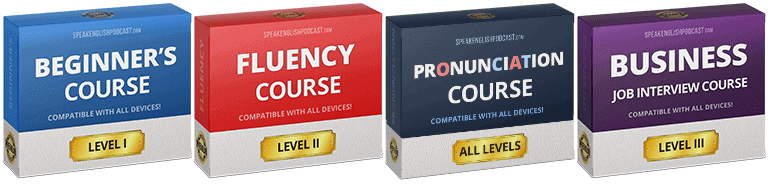
¿Quieres seguir practicando inglés? Continúa con un curso de audio completo.
MEJORA TU EXPRESIÓN ORAL
Mini-historia: practica tu inglés hablado
Responde a las preguntas en voz alta con respuestas cortas y rápidas. Repite la mini-historia varias veces para mejorar tu expresión oral y tu comprensión.
Tom went to the supermarket to buy a bottle of water because he was thirsty.
Did Georgiana go to the supermarket?
No. Georgiana didn't go to the supermarket. It was Tom who went.
Who went to the supermarket to buy a bottle of water?
Tom. Tom went to the supermarket to buy a bottle of water.
Did Tom go to the supermarket because he was hungry?
No. He didn't go there because he was hungry but thirsty.
Was Tom thirsty?
Yes, he was thirsty. He was thirsty.
What did Tom buy?
A bottle of water. He bought a bottle of water at the supermarket.
Tom went through the supermarket to the right, and then back to the left.
Did Tom go through the supermarket on the right first?
Yes, Tom went through the supermarket first on the right.
Did he go through it first on the left?
No. Not on the left. First, he went through it on the right and back on the left.
While he was there, he took the opportunity to buy things he needed.
Who took the opportunity to buy things he needed?
Tom. Tom took the opportunity to buy things he needed.
What did Tom take advantage of?
He took advantage of it to buy things he needed.
Did he take advantage of buying unnecessary things?
No. Only the necessary things.
Tom ended up filling the entire shopping cart with irresistible offers.
Did Tom end up filling the shopping cart?
Yes, Tom ended up filling the shopping cart.
What did Tom fill the shopping cart with?
With irresistible offers or normal prices?
With irresistible offers. He ended up filling it with irresistible offers.
Could Tom resist?
No, he couldn't resist, because the offers were irresistible.
In the queue, Tom filled another cart with more products at a very reasonable price.
Did Tom fill the second cart?
Yes, Tom filled another cart. A second cart.
What did Tom fill?
Another cart. He filled another cart with more reasonably priced products.
Were the prices good or bad?
Good. The prices of the products were good.
How many carts did Tom end up filling?
One, two or three?
Two: Tom ended up filling two carts with groceries.
Tom spent a month's salary on all that shopping.
Did Tom spend a year's salary?
No. Not a year's salary. Tom spent a month's salary.
What was Tom's salary spent on?
On all those purchases. On all the grocery shopping.
When he got home, Tom saw that he had bought everything but water.
Had Tom bought everything?
Yes, everything. He had bought everything...except water.
Had Tom bought chocolate?
Yes, he had bought chocolate.
And meat?
Also. Also meat.
Did Tom notice that he had bought water too?
No. Tom didn't notice that. He noticed that he hadn't bought any water.
Gracias por escuchar. Nos vemos en el próximo episodio.
Repaso
Vocabulario
Repasa las palabras y expresiones más útiles antes de volver a escuchar.
Spender
Persona que gasta dinero, especialmente más de lo necesario.
Overspending
Gastar más dinero del previsto o del necesario.
Shopping cart
Carrito con ruedas que se usa para llevar productos por el supermercado.
Eye level
Altura a la que algo queda directamente frente a tus ojos.
Cash register
Lugar donde los clientes pagan sus compras.
Queue
Fila de personas que esperan su turno.
Fast-paced
Que avanza o sucede rápidamente.
Impulse purchase
Compra realizada de forma repentina y sin haberla planificado.
¿Quieres seguir practicando inglés? Continúa con un curso de audio completo.