
Episodio 160
Escucha el episodio
Escucha una vez para captar la idea principal. Después utiliza la transcripción y repite en voz alta las frases útiles.
Descarga y estudia
Recursos del episodio
Descarga un archivo o continúa con la transcripción.
Orden recomendado: escucha una vez, lee mientras escuchas y vuelve a escuchar sin el texto.
Lección completa
Lee la transcripción
Sigue el texto mientras escuchas y después repite en voz alta las frases útiles.
Hola a todos. Soy Georgiana, tu profesora de inglés. Mi misión es ayudarte a hablar inglés con fluidez.
Hoy vamos a aprender inglés de una forma divertida: mediante adivinanzas en inglés.
Además, con la mini-historia practicarás la fluidez respondiendo muchas preguntas en voz alta.
Una cosa está clara: quieres hablar inglés con soltura. Por eso es útil conocer expresiones típicas, juegos de palabras y riddles.
Las adivinanzas nos obligan a pensar en el significado de las palabras y, muchas veces, nos hacen reír. Esa combinación de atención y diversión puede ayudarte a recordar mejor el vocabulario.
Primero leerás la adivinanza en inglés. Intenta responder antes de mirar la solución. Si necesitas más tiempo, pausa el audio.
1. What has to be broken before you can use it?
Pista: es algo que se come.
Answer: An egg.
Claro: para utilizar o comer un huevo, primero rompemos la cáscara, eggshell.
2. I’m tall when I’m young, and I’m short when I’m old. What am I?
Pista: es algo que puedes ver en la oscuridad.
Answer: A candle.
Una vela, candle, se hace cada vez más corta a medida que se consume.
3. What month of the year has 28 days?
Answer: All of them.
Todos los meses tienen al menos 28 días. En un leap year, un año bisiesto, febrero tiene 29.
4. What is full of holes but still holds water?
Answer: A sponge.
Una esponja tiene muchos agujeros y, aun así, absorbe y retiene agua.
5. What can you break, even if you never pick it up or touch it?
Answer: A promise.
En inglés decimos keep a promise para cumplir una promesa y break a promise para incumplirla.
6. What goes up but never comes down?
Answer: Your age.
Nuestra edad aumenta con el tiempo; no baja.
7. What gets wet while drying?
Answer: A towel.
La toalla seca otras cosas precisamente porque ella se moja.
8. What can you keep after giving it to someone?
Answer: Your word.
La expresión keep your word significa cumplir lo que has dicho o prometido.
9. I shave every day, but my beard stays the same. What am I?
Answer: A barber.
Un barbero puede afeitar a otras personas durante todo el día sin cambiar su propia barba.
10. What has many keys but can’t open a single lock?
Answer: A piano.
Un piano tiene muchas keys, teclas, pero ninguna de ellas abre una cerradura.
Ahora continuamos con una mini-historia para practicar tu inglés hablado.
Ahora, a practicar.
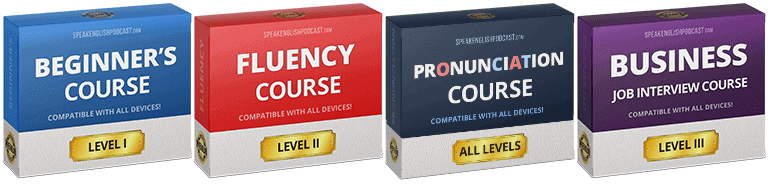
¿Quieres seguir practicando inglés? Continúa con un curso de audio completo.
MEJORA TU EXPRESIÓN ORAL
Mini-historia: practica tu inglés hablado
Responde a las preguntas en voz alta con respuestas cortas y rápidas. Repite la mini-historia varias veces para mejorar tu expresión oral y tu comprensión.
Jack was a very successful comedian who made people laugh hard.
Was Jack a musician?
No. No. Jack was a comedian.
Was he unsuccessful?
No. No. Jack wasn't unsuccessful. He was a successful comedian.
Did Jack make people cry?
No. No. Jack didn't make people cry. He was a comedian; therefore, he made people laugh.
Who was a comedian?
Jack was a comedian, and he made people laugh hard.
He was so hilarious that people started laughing after hearing his first line.
Was Jack's mom hilarious?
No. No. Jack's mom wasn't hilarious. Jack was a hilarious comedian.
Did people start laughing after hearing his second line?
No. No. People started laughing after hearing his first line.
Who started laughing?
People. People started laughing after hearing his first line.
So Jack was used to having a single line prepared before a show.
Was Jack used to having a song ready?
No. No. Not a song. Jack wasn't a musician. He was a comedian.
How many lines was Jack used to having before a show?
A single line. Jack was only used to having a single line prepared before a show.
But one day, he found himself in front of a very tough audience. They refused to laugh at his jokes.
Where did he find himself? In front of a mall?
No. He found himself in front of an audience.
Was the audience cheerful?
No. No. The audience was tough.
Did the audience refuse to listen to Jack?
No. No. The audience didn't refuse to listen to Jack. They refused to laugh at his jokes.
Since he had nothing prepared, Jack started telling riddles and interacting with people.
Was Jack very well prepared for the show?
No. No. Jack had nothing prepared. He wasn't used to preparing before a show.
Did Jack start telling mini-stories?
No. No. Jack didn't start telling mini-stories. He started telling riddles.
Did he interact with the people?
Yes. Jack started telling riddles and interacting with people in the audience.
In the end, Jack made the audience laugh so hard that many laughed for a year.
Did Jack make the audience angry?
No. No. Jack was a very famous comedian. He didn't make the audience angry; he made them laugh.
Did the audience stop laughing after Jack was done telling the riddles?
No. No. The audience did not stop laughing after Jack was done telling the riddles. Many of them laughed for a whole year.
Thanks for listening, and I’ll see you in the next episode.
Repaso
Vocabulario
Repasa las palabras y expresiones más útiles antes de volver a escuchar.
Riddle
Una pregunta o acertijo que te obliga a pensar antes de adivinar la respuesta.
Hint
Una pequeña pista que te ayuda a encontrar una respuesta.
Eggshell
La cáscara dura exterior de un huevo.
Leap year
Un año con un día extra en febrero, de modo que febrero tiene 29 días.
Sponge
Un material blando lleno de agujeros que puede absorber y retener agua.
Break a promise
Incumplir algo que habías prometido hacer.
Keep your word
Cumplir lo que dijiste o prometiste que harías.
Barber
Persona cuyo trabajo consiste en cortar o afeitar el cabello, especialmente el de los hombres.
¿Quieres seguir practicando inglés? Continúa con un curso de audio completo.

0 Comentarios