
Episodio 324
Escucha el episodio
Escucha una vez para captar la idea principal. Después usa la transcripción y repite en voz alta las frases útiles.
Descarga y estudia
Recursos del episodio
Descarga un archivo o continúa con la transcripción.
Orden recomendado: escucha una vez, lee mientras escuchas y vuelve a escuchar sin el texto.
Lección completa
Lee la transcripción
Sigue el texto mientras escuchas y después repite en voz alta las frases útiles.
Hi! I’m Georgiana, founder of SpeakEnglishPodcast.com, and I’m thrilled to see how motivated many of you are to start the year learning English! Setting goals and being excited about your progress is essential, but let’s take a moment to talk about expectations.
Many students begin the year with big plans and lots of new routines. While enthusiasm is great, it’s important to remember that we all have limited energy. Trying to implement too many changes at once—like starting a fitness plan, eating healthier, learning English, and picking up new hobbies—can leave us feeling exhausted. And when we’re tired, it’s easy to give up on important routines, like learning English.
Learning a language is a journey, not a sprint. Some of you might feel like you need to be fluent in just a few months. While this enthusiasm is wonderful, remember that becoming confident and comfortable with English takes time and consistent practice.
Here are a few tips to help you stay on track this year:
Focus on progress, not perfection.
Don’t worry about making mistakes; they’re part of learning! Every mistake helps you improve and brings you closer to fluency.
Celebrate small wins.
Every time you learn a new word or expression, understand a conversation in English, you’re making progress. Celebrate these moments—they matter!
Be consistent.
Short, regular practice—even just 30 minutes a day—can lead to incredible progress over time. The key is to build a habit that feels natural and not overwhelming.
Be mindful of your energy.
Adding too many new routines can drain your energy. Instead, focus on one or two meaningful goals at a time. This way, you’ll avoid burnout and make steady progress.
Enjoy the journey.
Learning English can be fun! Listen to podcasts or watch videos related to your favorite topics in English.
Learning English is like planting a seed. It takes time and patience for it to grow into a strong tree. Be kind to yourself, take things one step at a time, and trust the process. Each small step will bring you closer to your goal.
Now, let’s practice.
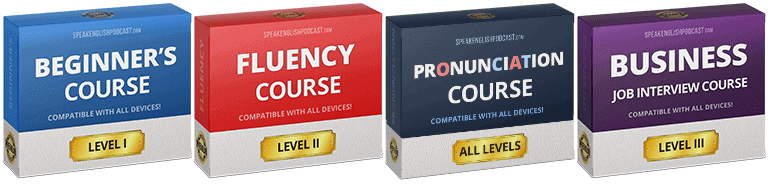
¿Quieres seguir practicando inglés? Continúa con un curso de audio completo.
MEJORA TU INGLÉS HABLADO
Mini-Story: practica hablando
Responde a las preguntas en voz alta con respuestas breves y rápidas. Repite la Mini-Story varias veces para mejorar tu expresión y comprensión en inglés.
Liam wanted to start the year by making many changes.
Did Liam want to keep everything the same?
No. He didn’t want to keep everything the same. He wanted to make many changes.
What did Liam want to do at the beginning of the year?
He wanted to make many changes. Liam wanted to start the year with new routines.
He decided to exercise every day, learn a new language, and take up painting.
Did Liam decide to exercise once a week?
No. He didn’t decide to exercise once a week. He decided to exercise every day.
What else did Liam decide to do besides exercising?
He decided to learn a new language and take up painting.
Liam tried to do everything at once, but he felt very tired after just one week.
Did Liam feel full of energy after one week?
No. He didn’t feel full of energy. He felt very tired after one week.
Why did Liam feel tired?
Because he tried to do everything at once.
After feeling tired, Liam realized he needed to focus on fewer goals.
Did Liam keep trying to do everything at once?
No. No. He didn’t keep trying to do everything at once. He realized he needed to focus on fewer goals.
What did Liam decide to do after feeling tired?
He decided to focus on fewer goals.
Liam chose to exercise three times a week and practice English every day for 30 minutes.
Did Liam decide to stop exercising completely?
No. He didn’t stop exercising completely. He chose to exercise three times a week.
How often did Liam practice English?
Every day. He practiced English every day for 30 minutes.
Liam started to enjoy his new routine and felt more relaxed.
Did Liam feel stressed about his routine?
No. He didn’t feel stressed. He felt more relaxed.
Why did Liam feel more relaxed?
Because he enjoyed his new routine. He felt more relaxed because he enjoyed his new routine.
In the end, Liam made steady progress and celebrated small wins, like learning new expressions in English.
Did Liam make any progress?
Yes. He made steady progress.
Did Liam celebrate anything?
Yes. He celebrated small wins, like learning new expressions in English.
Well, we're finished with our short practice.
Answering many simple questions can improve your speaking, just like talking in real life.
Thanks for listening, and I’ll see you in the next episode.
Repaso
Vocabulario
Repasa las palabras y expresiones más útiles antes de volver a escuchar.
realistic expectations
metas y expectativas razonables y alcanzables.
enthusiasm
gran ilusión e interés.
consistency
el hábito de continuar con regularidad a lo largo del tiempo.
burnout
agotamiento extremo causado por estrés o esfuerzo prolongados.
make progress
mejorar gradualmente.
small win
un logro modesto que merece ser reconocido.
routine
un patrón regular de actividades.
one step at a time
poco a poco, centrándose en una acción manejable cada vez.
¿Quieres seguir practicando inglés? Continúa con un curso de audio completo.